Ram Van Gaman Path
Explore the divine journey of Lord Ram from Ayodhya to Lanka on an interactive map.
View JourneyThe Divine Trinity
Major Deities and their Avatars
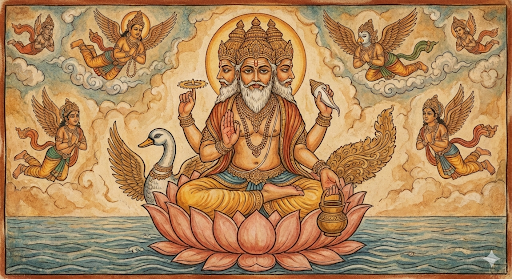
Brahma
The Creator
The source of all knowledge and the creator of the universe.
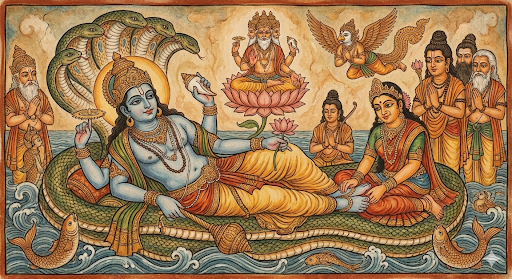
Vishnu
The Preserver
The protector who descends to earth to restore balance.
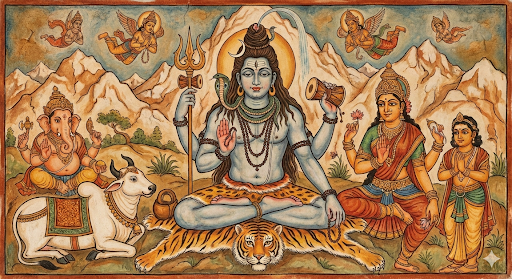
Shiva
The Destroyer
The transformer who represents the cycle of time and regeneration.
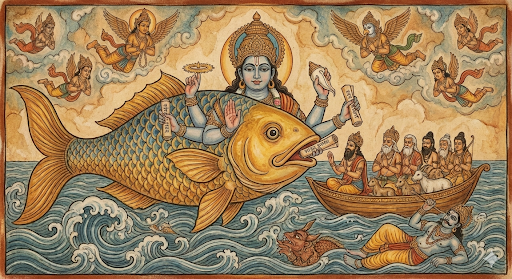
Matsya
The Fish Avatar
The first avatar of Vishnu, appearing as a giant fish to save Manu and the first living beings from a great deluge.
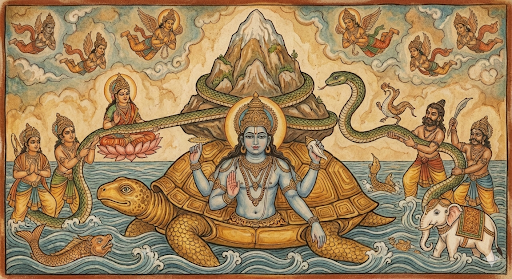
Kurma
The Tortoise Avatar
The second avatar, appearing as a tortoise to support the churning of the cosmic ocean (Samudra Manthan).
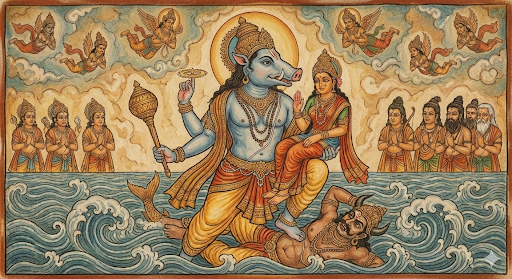
Varaha
The Boar Avatar
The third avatar, appearing as a boar to rescue the Earth (Bhudevi) from the cosmic ocean where it was hidden by a demon.
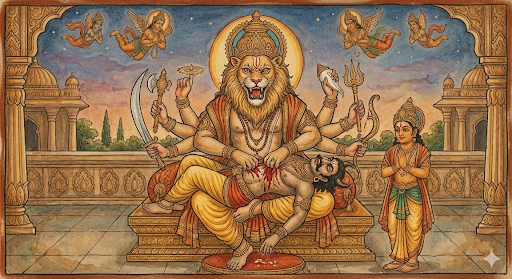
Narasimha
The Man-Lion Avatar
The fourth avatar, appearing as a half-man, half-lion to protect his devotee Prahlada and destroy the demon Hiranyakashipu.
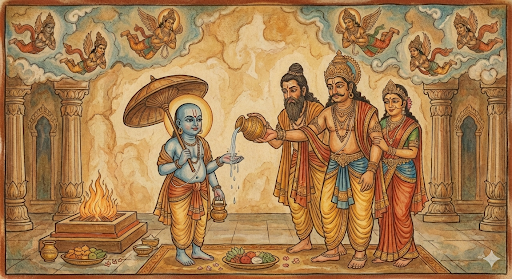
Vamana
The Dwarf Avatar
The fifth avatar, appearing as a dwarf brahmin to restore cosmic balance by taking back the three worlds from King Bali.
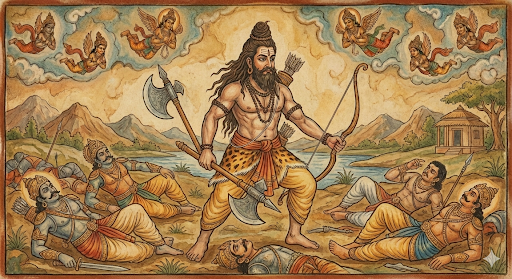
Parashurama
The Warrior with an Axe
The sixth avatar, a warrior sage who rid the world of corrupt and oppressive kshatriyas (warriors).
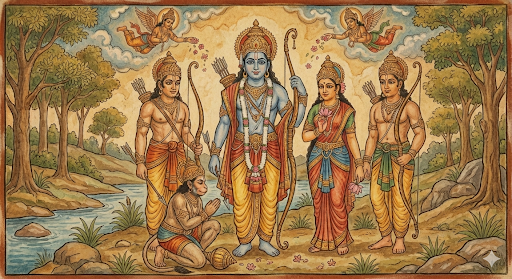
Rama
The Prince of Ayodhya
The seventh avatar, the embodiment of chivalry and virtue, and the central figure of the epic Ramayana.
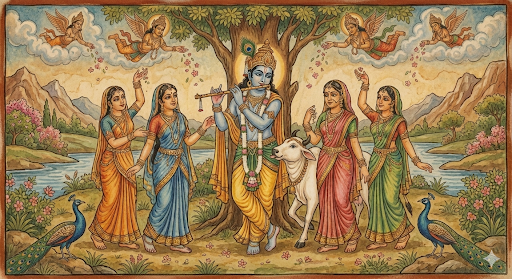
Krishna
The Divine Statesman
The eighth avatar, a central figure in the Mahabharata and the speaker of the Bhagavad Gita.
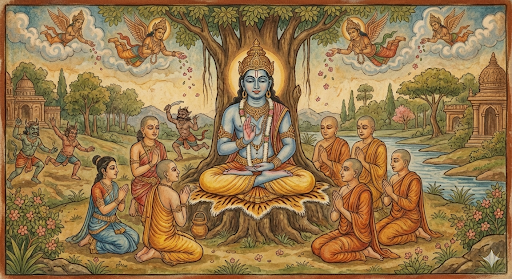
Buddha
The Enlightened One
The ninth avatar, who preached non-violence (ahimsa) and compassion towards all living beings.
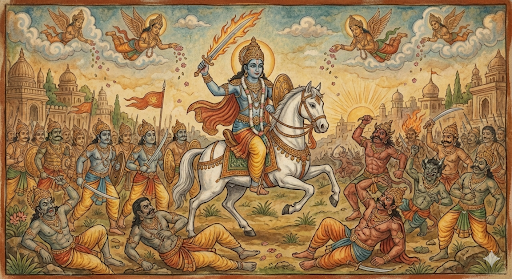
Kalki
The Future Avatar
The tenth and final avatar, prophesied to appear at the end of Kali Yuga to destroy evil and restart the cosmic cycle.
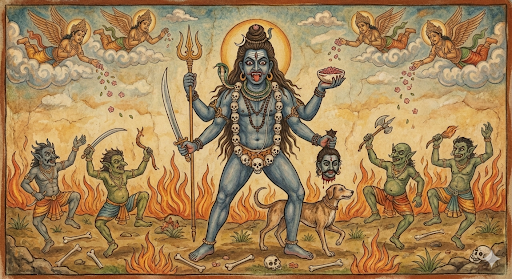
Bhairava
The Fierce Manifestation
A fearful manifestation of Shiva associated with annihilation, often depicted with a dog.
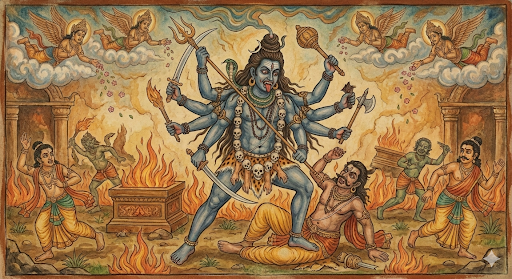
Virabhadra
The Warrior Avatar
A fierce warrior created by Shiva from his matted hair to destroy Daksha's sacrifice.
Vedic Wisdom
Ancient sciences for harmony and holistic well-being.
Vastu Shastra
The science of architecture. Discover how to harmonize your living space with nature's elements for prosperity and peace.
Ayurveda
The science of life. Explore your Dosha and learn daily routines (Dinacharya) for a balanced, healthy lifestyle.
Yoga
Union of mind and body. Discover Asanas and the Eight Limbs of Yoga for physical and spiritual well-being.
Scriptures
Wisdom from Vedas, Upanishads, and Bhagavad Gita.
Mantras
Sacred chants for peace, meditation, and focus.
Sanskrit Glossary
Understand the key terms and concepts used across Vastu, Ayurveda, and Yoga traditions.
Sacred Architecture
Hindu temples are not just places of worship but are designed according to the Vastu Shastra, representing the macrocosm of the universe and the microcosm of the inner self.
- ✓Nagara Style (North)
- ✓Dravidian Style (South)
- ✓Vesara Style (Mixed)
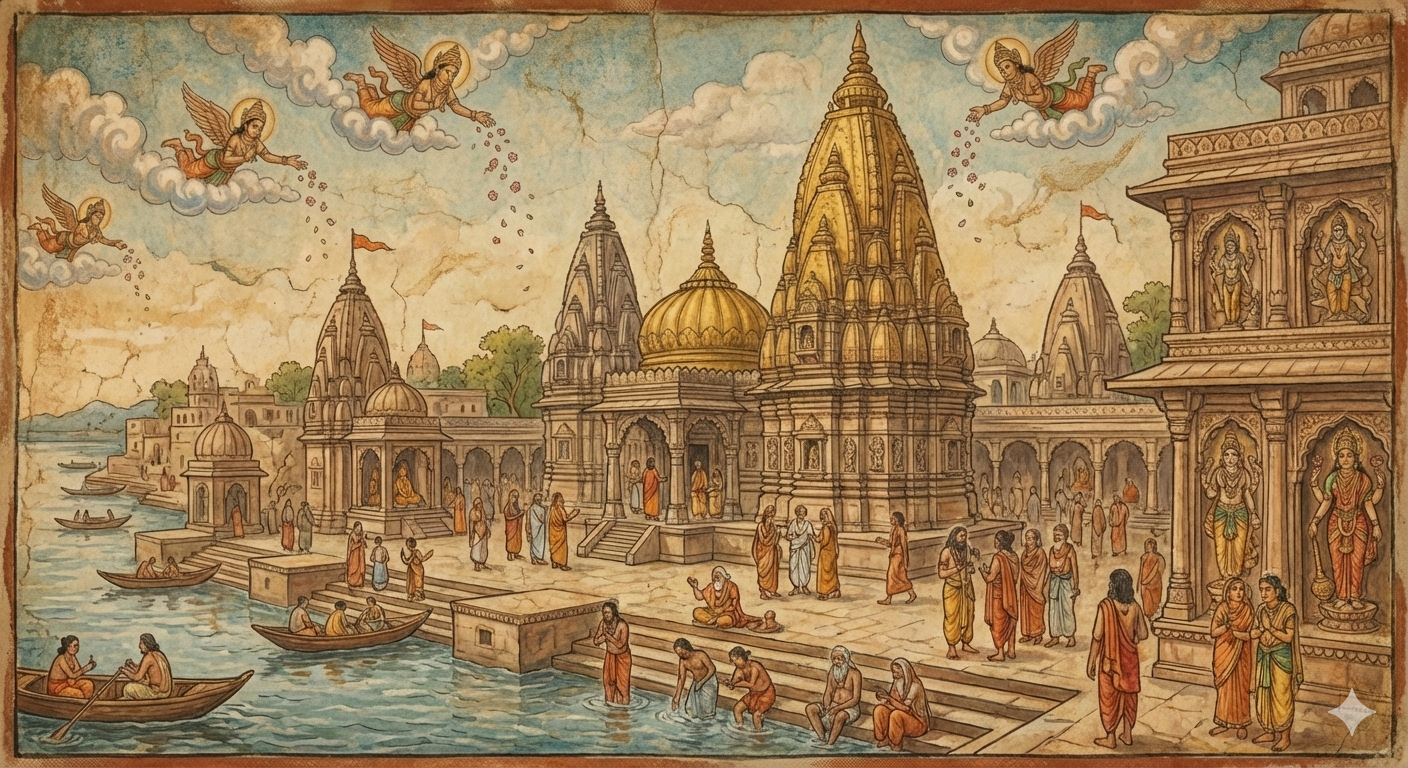
Kashi Vishwanath Temple
Varanasi, Uttar Pradesh • Nagara Architecture
View Temple →
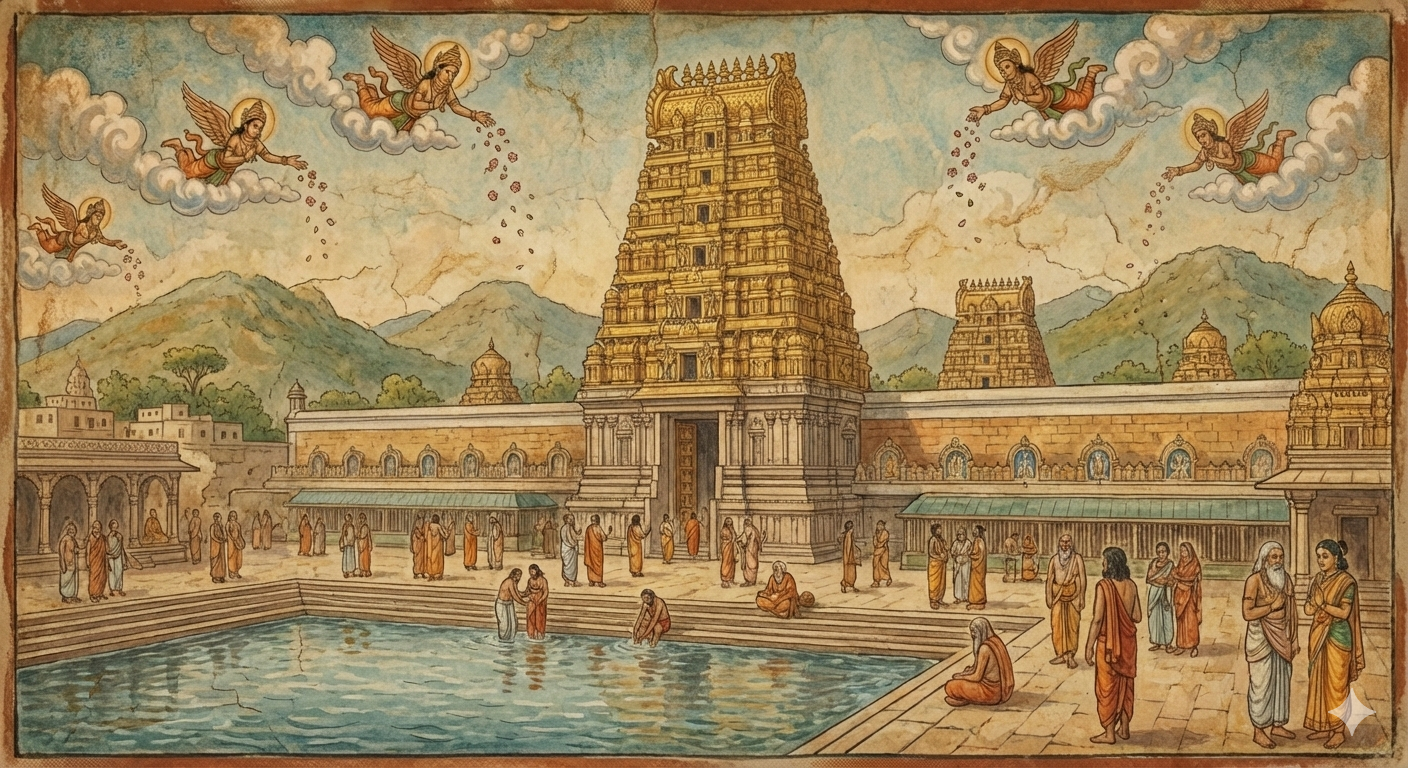
Tirumala Venkateswara Temple
Tirupati, Andhra Pradesh • Dravidian Architecture
View Temple →
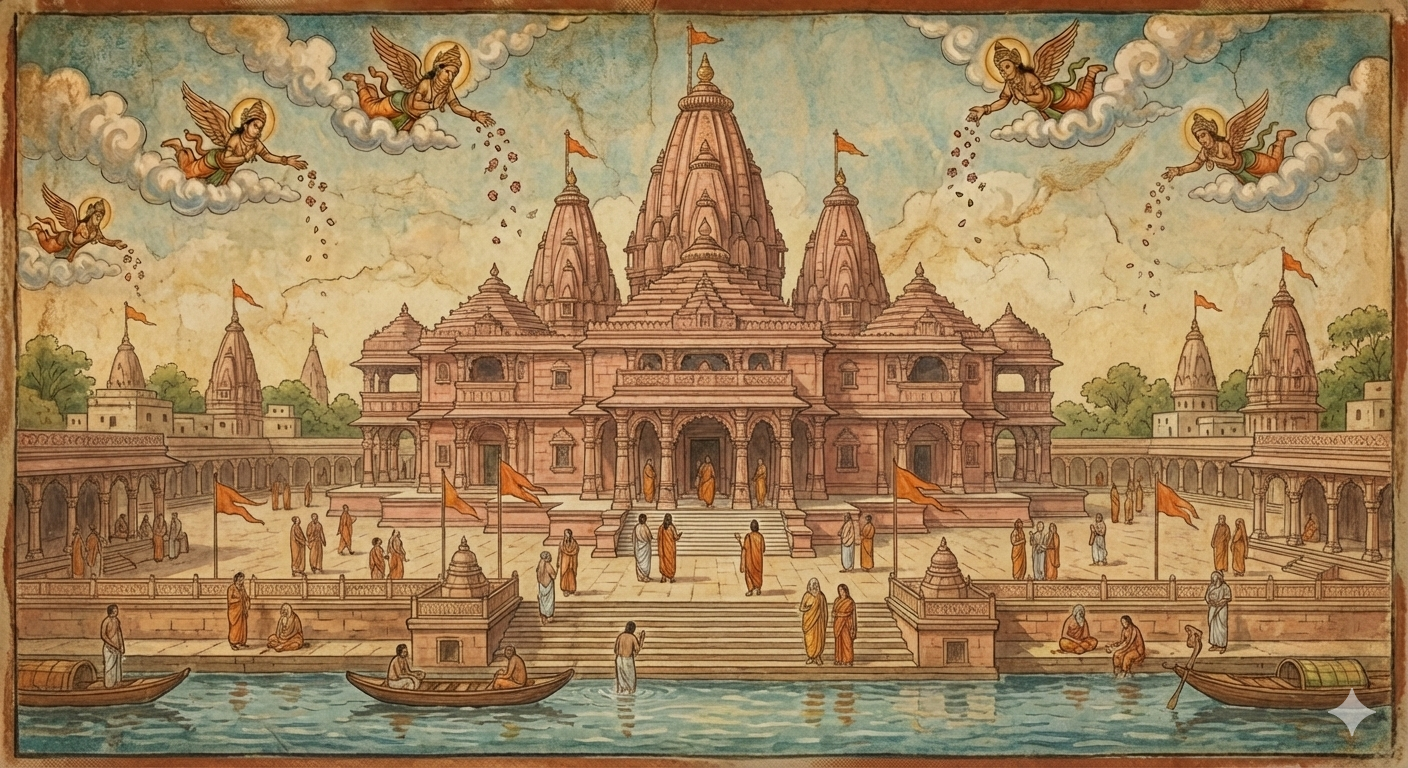
Ram Mandir
Ayodhya, Uttar Pradesh • Nagara Architecture
View Temple →
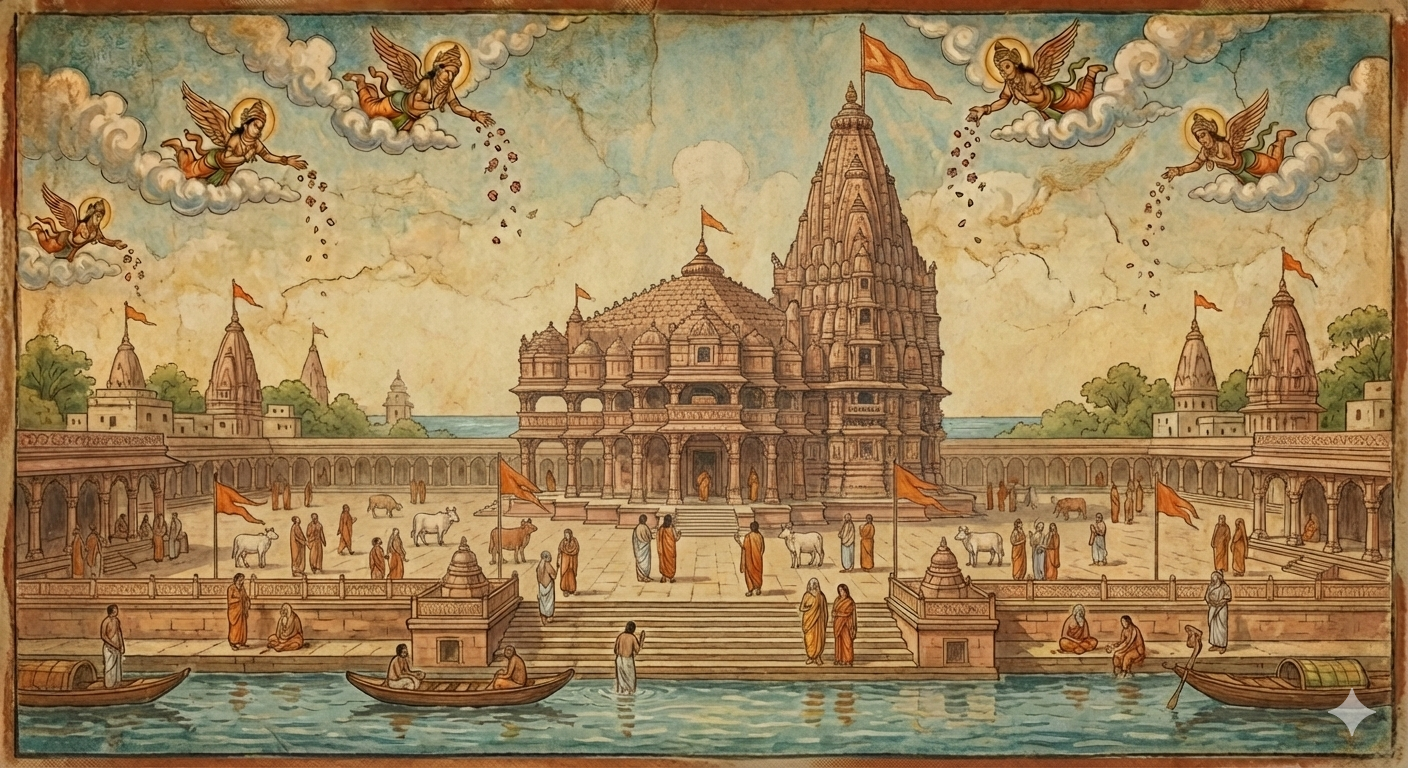
Dwarkadhish Temple
Dwarka, Gujarat • Chalukya Architecture
View Temple →
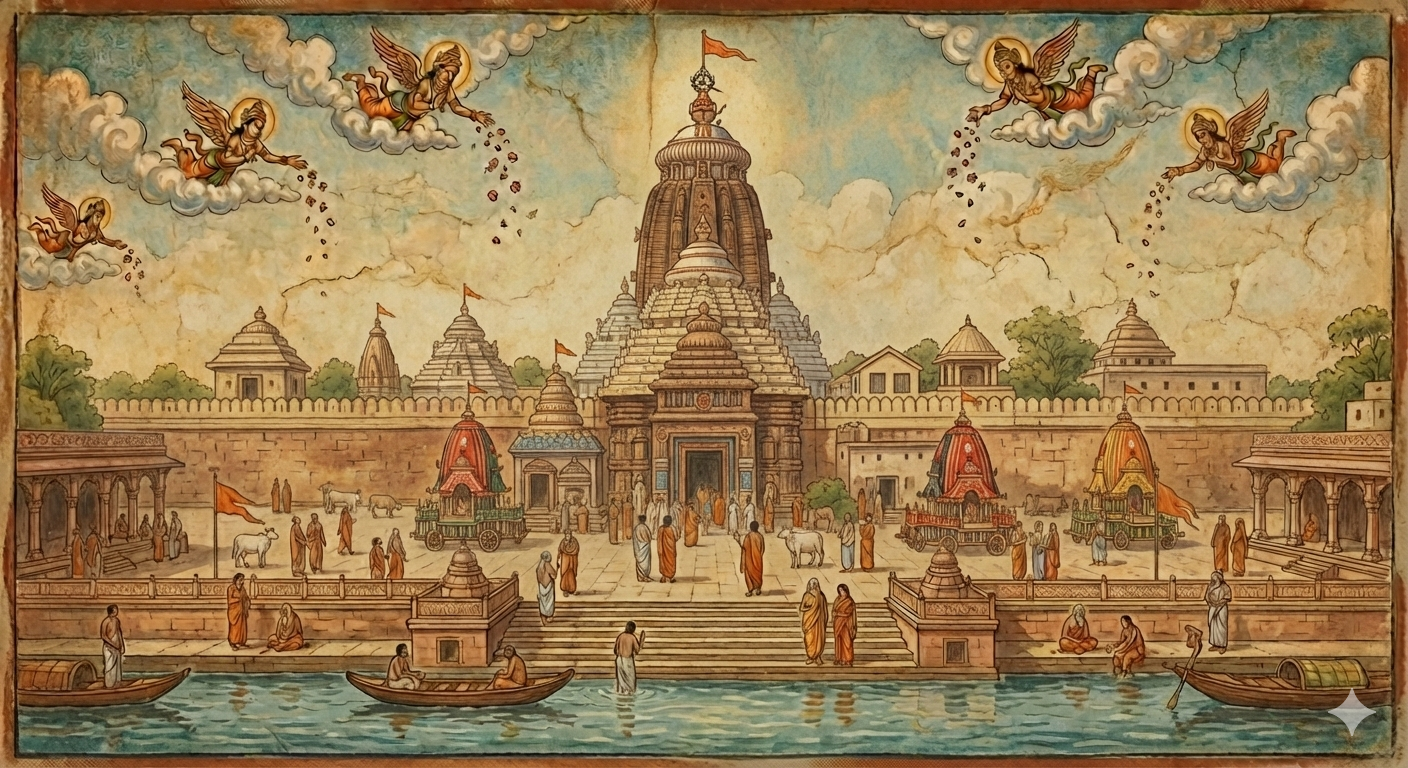
Jagannath Temple
Puri, Odisha • Kalinga Architecture
View Temple →
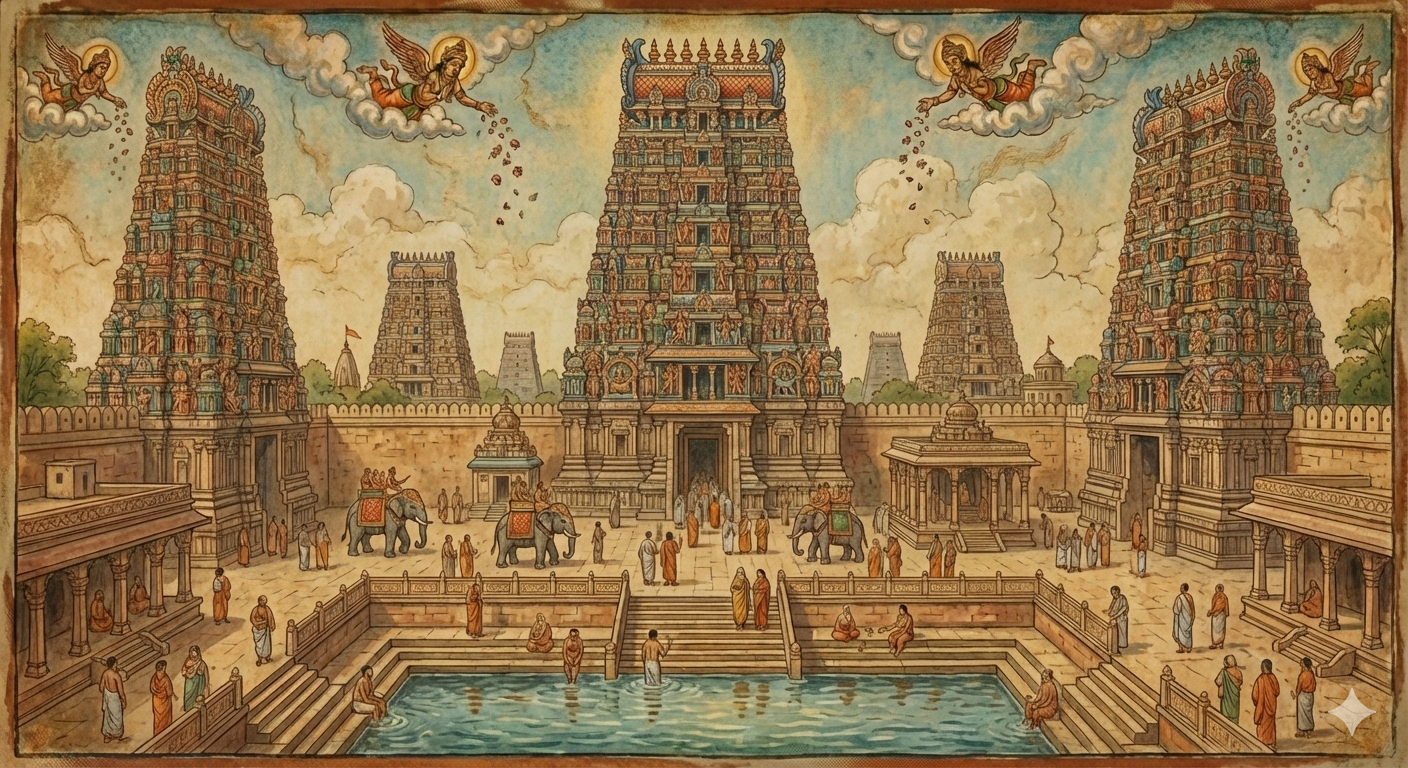
Meenakshi Amman Temple
Madurai, Tamil Nadu • Dravidian Architecture
View Temple →
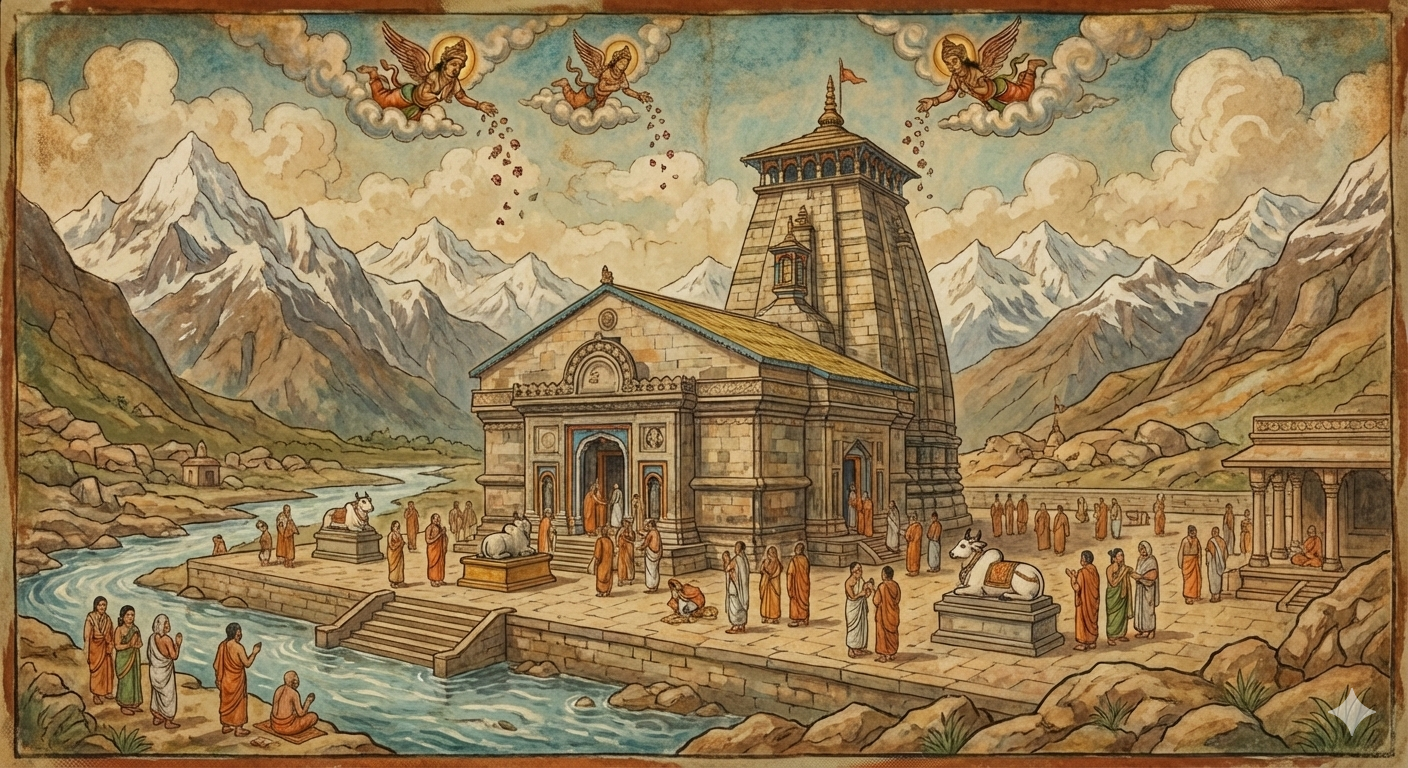
Kedarnath Temple
Kedarnath, Uttarakhand • Nagara Architecture
View Temple →
Art & Culture
A celebration of colors, dance, and music.
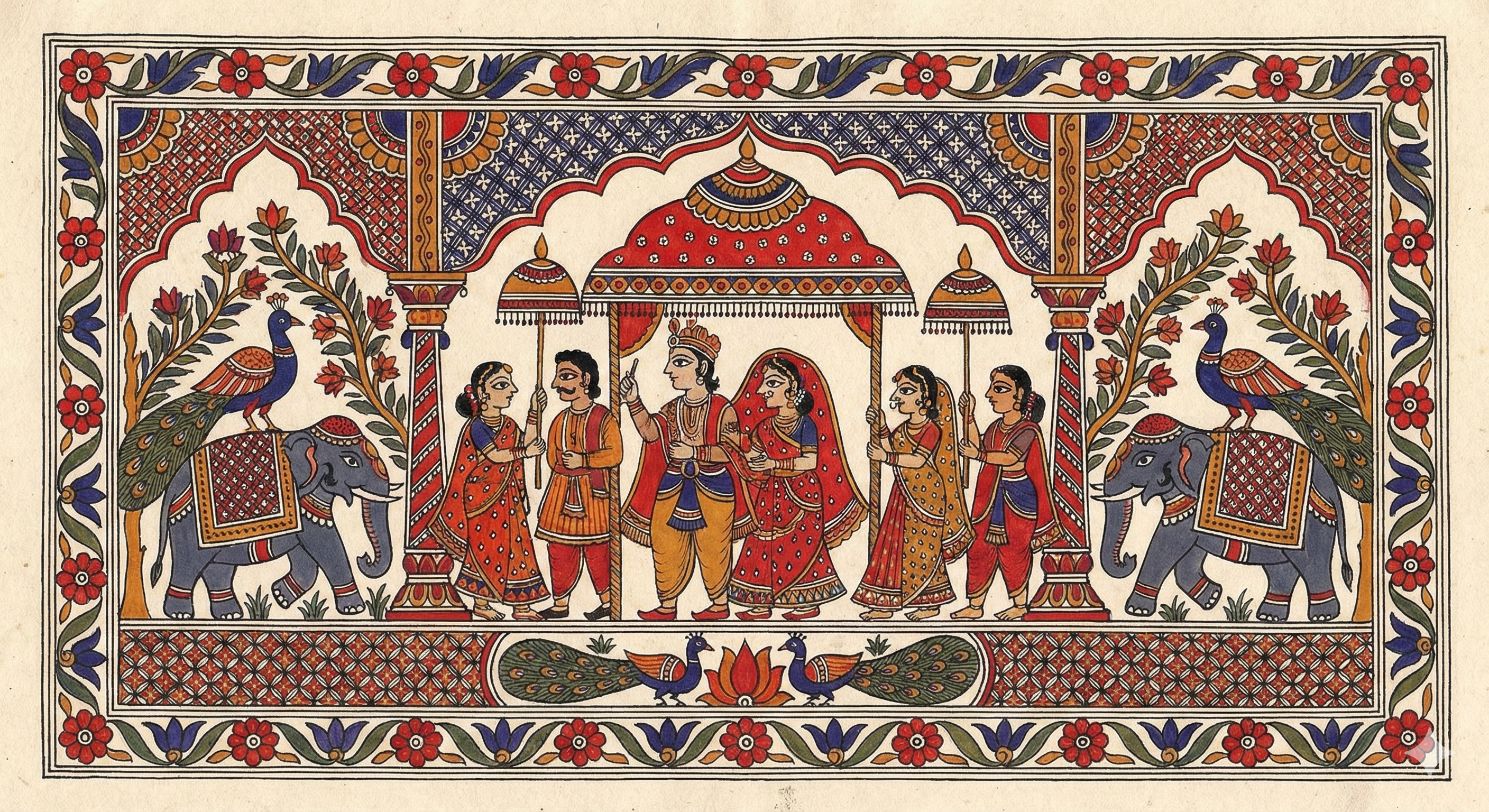
Madhubani Painting
A style of Indian painting practiced in the Mithila region. It is characterized by eye-catching geometrical patterns.
View Art →
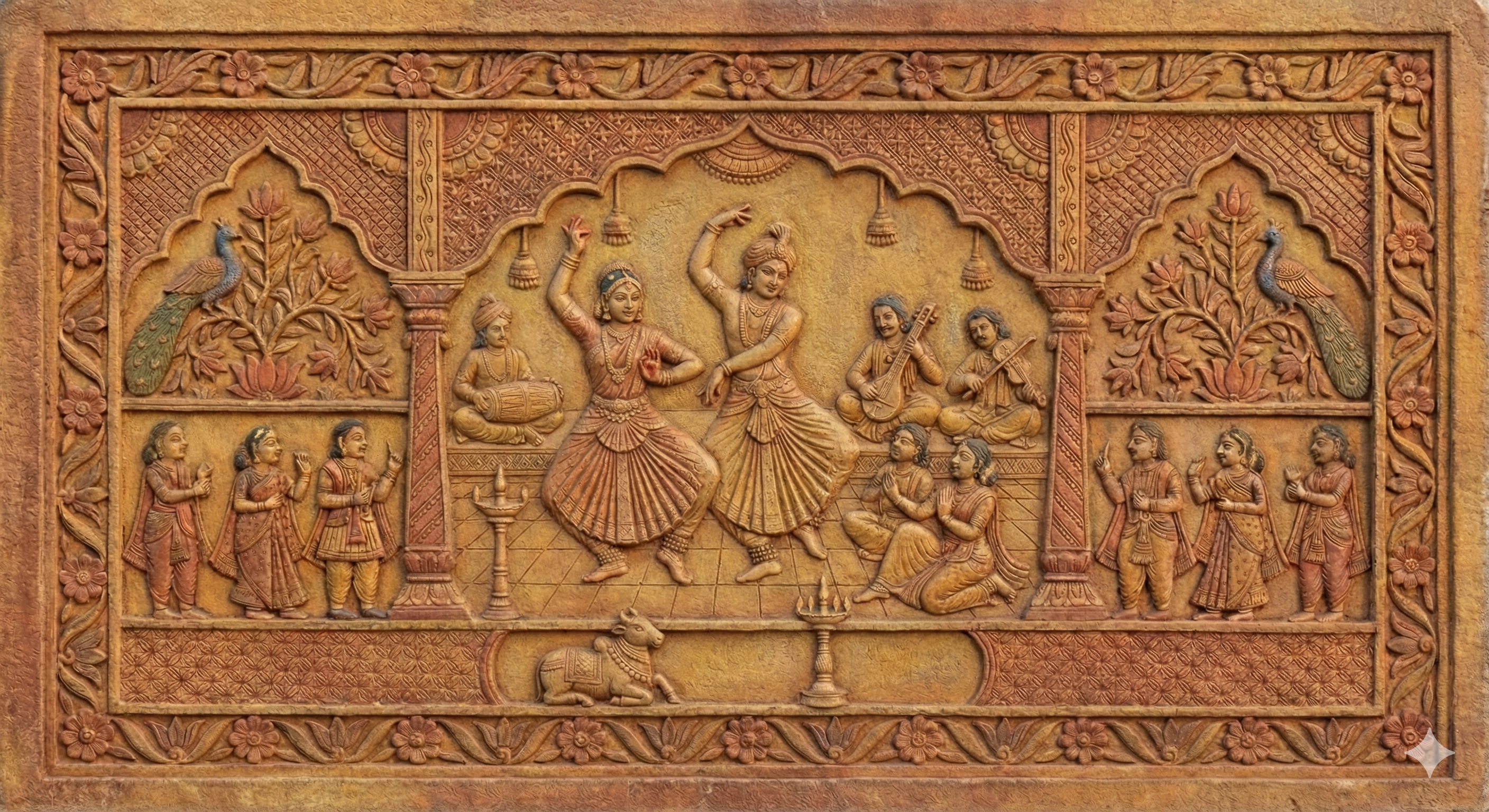
Bharatanatyam
A major form of Indian classical dance that originated in Tamil Nadu. It expresses South Indian religious themes and spiritual ideas.
View Art →
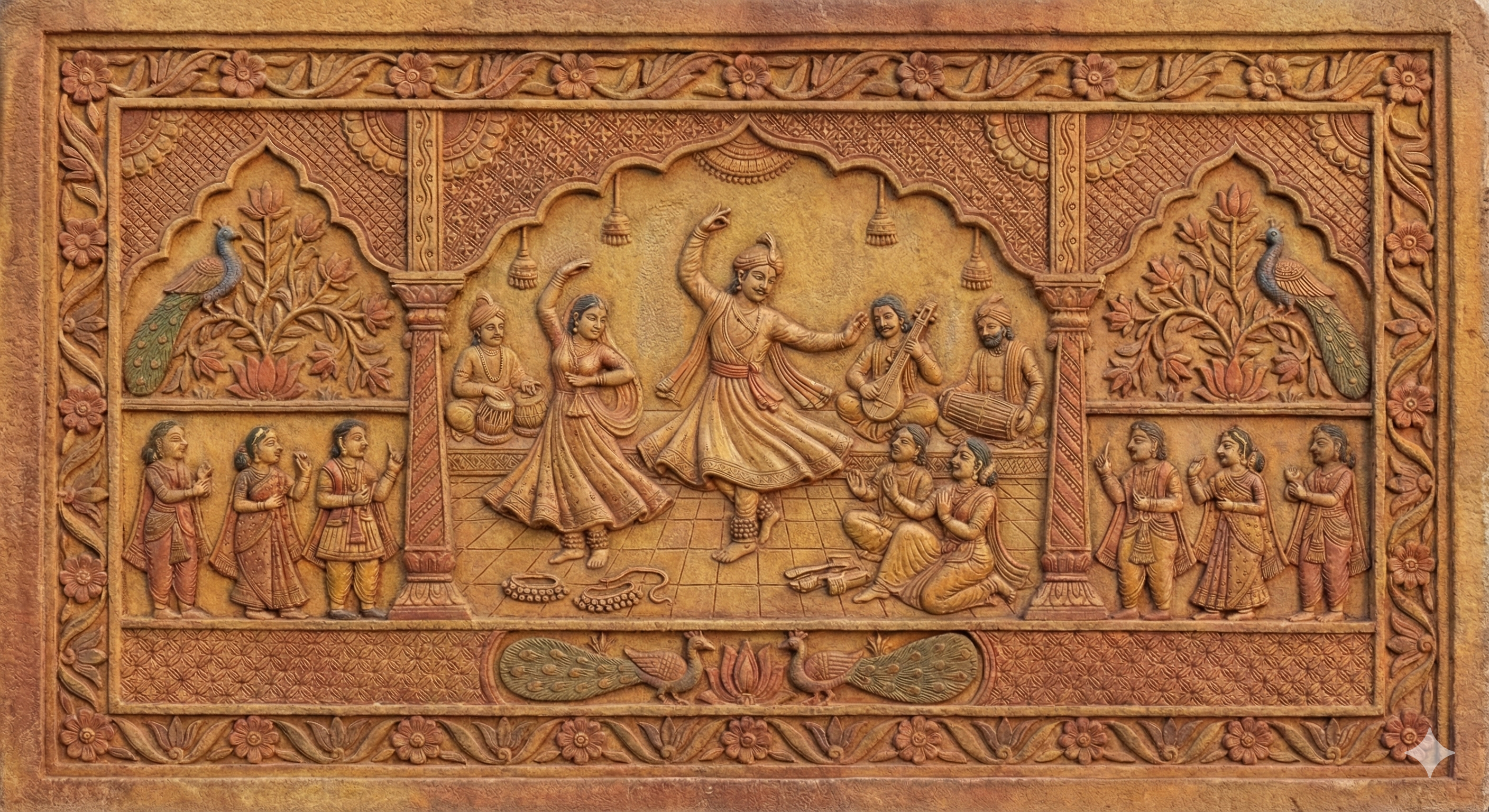
Kathak
One of the eight major forms of Indian classical dance. The origin of Kathak is traditionally attributed to the traveling bards of ancient northern India.
View Art →
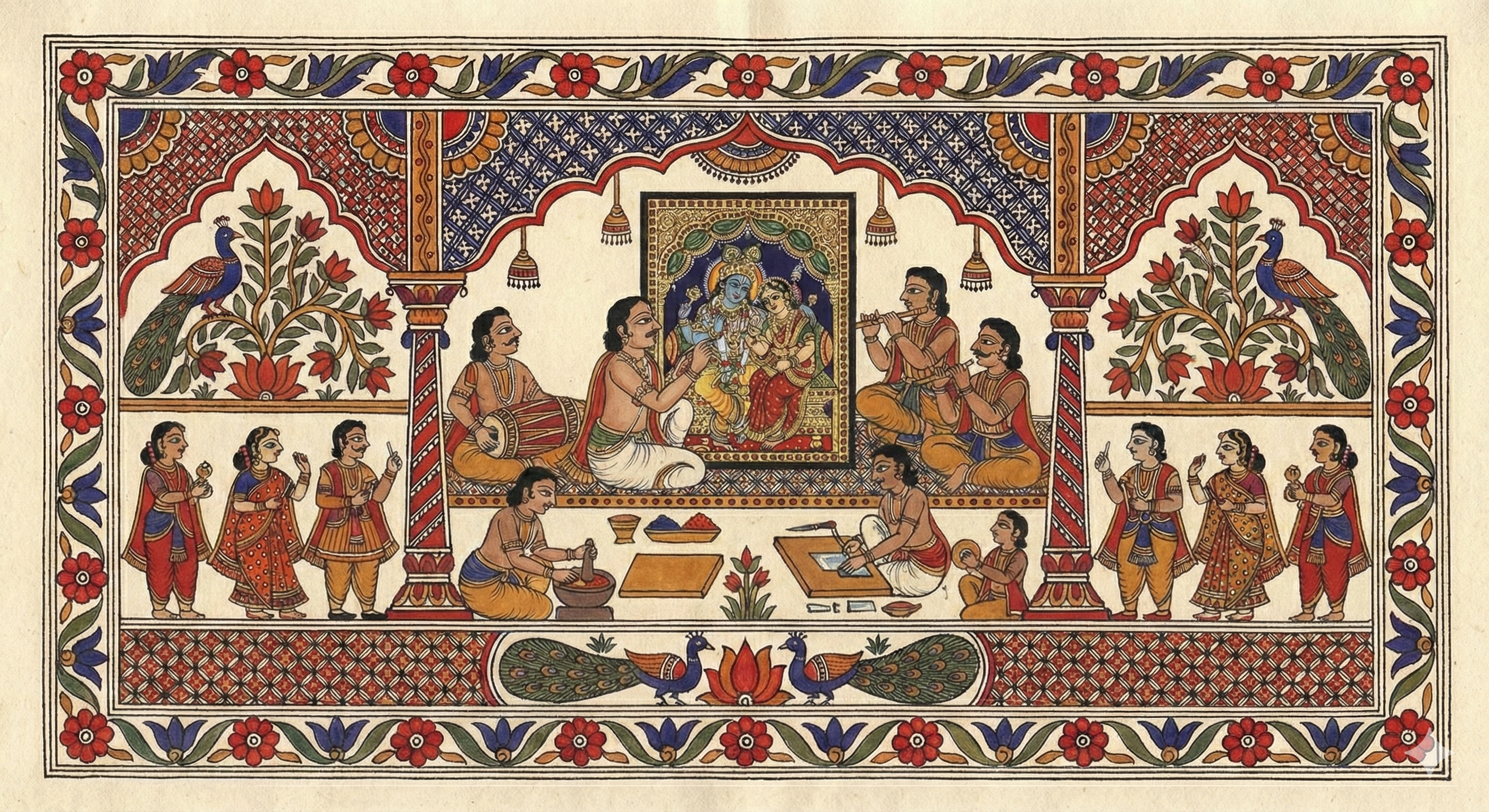
Thanjavur Painting
A classical South Indian painting style, which was inaugurated from the town of Thanjavur.
View Art →
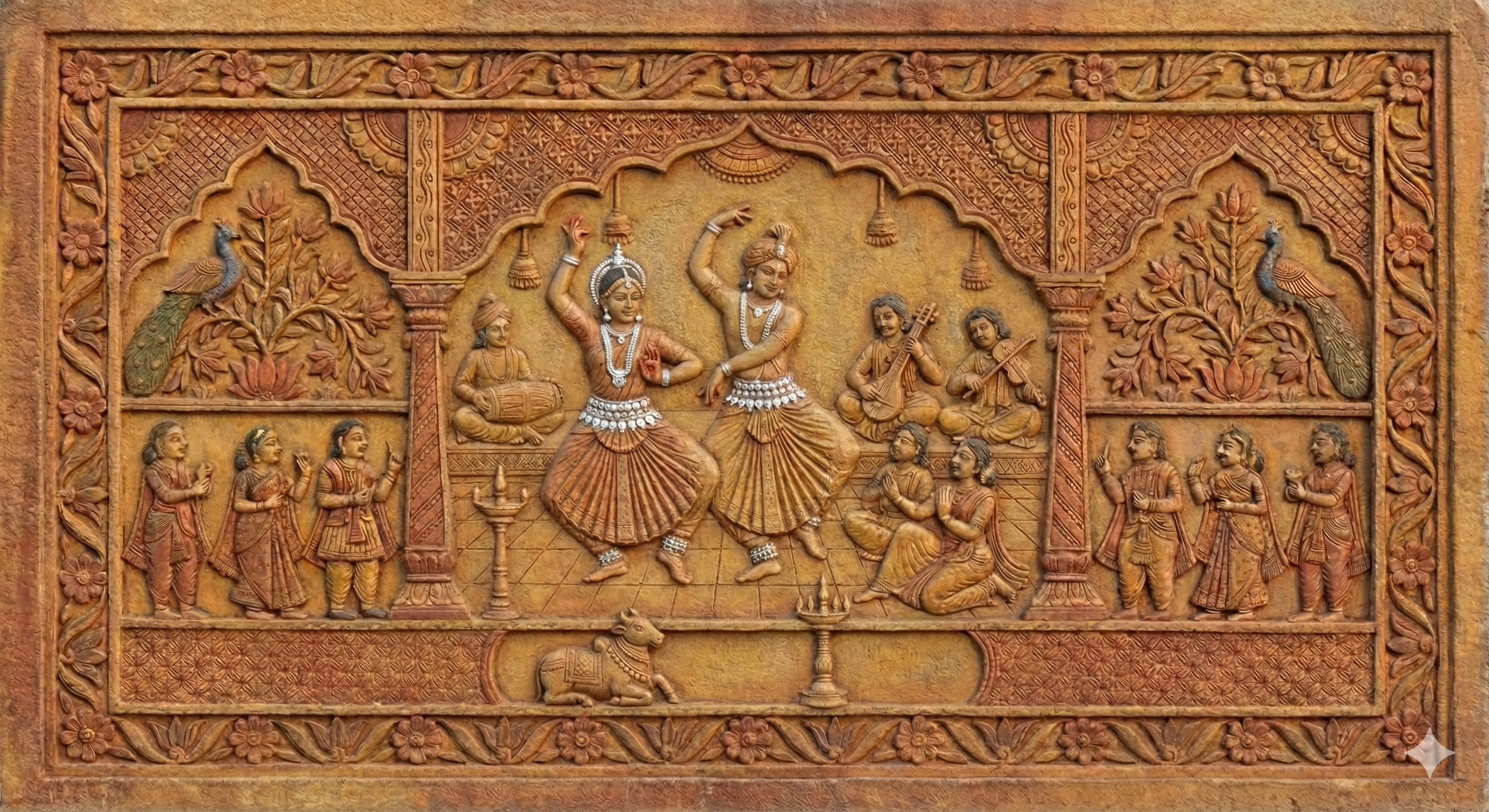
Odissi
A major ancient Indian classical dance that originated in the Hindu temples of Odisha.
View Art →
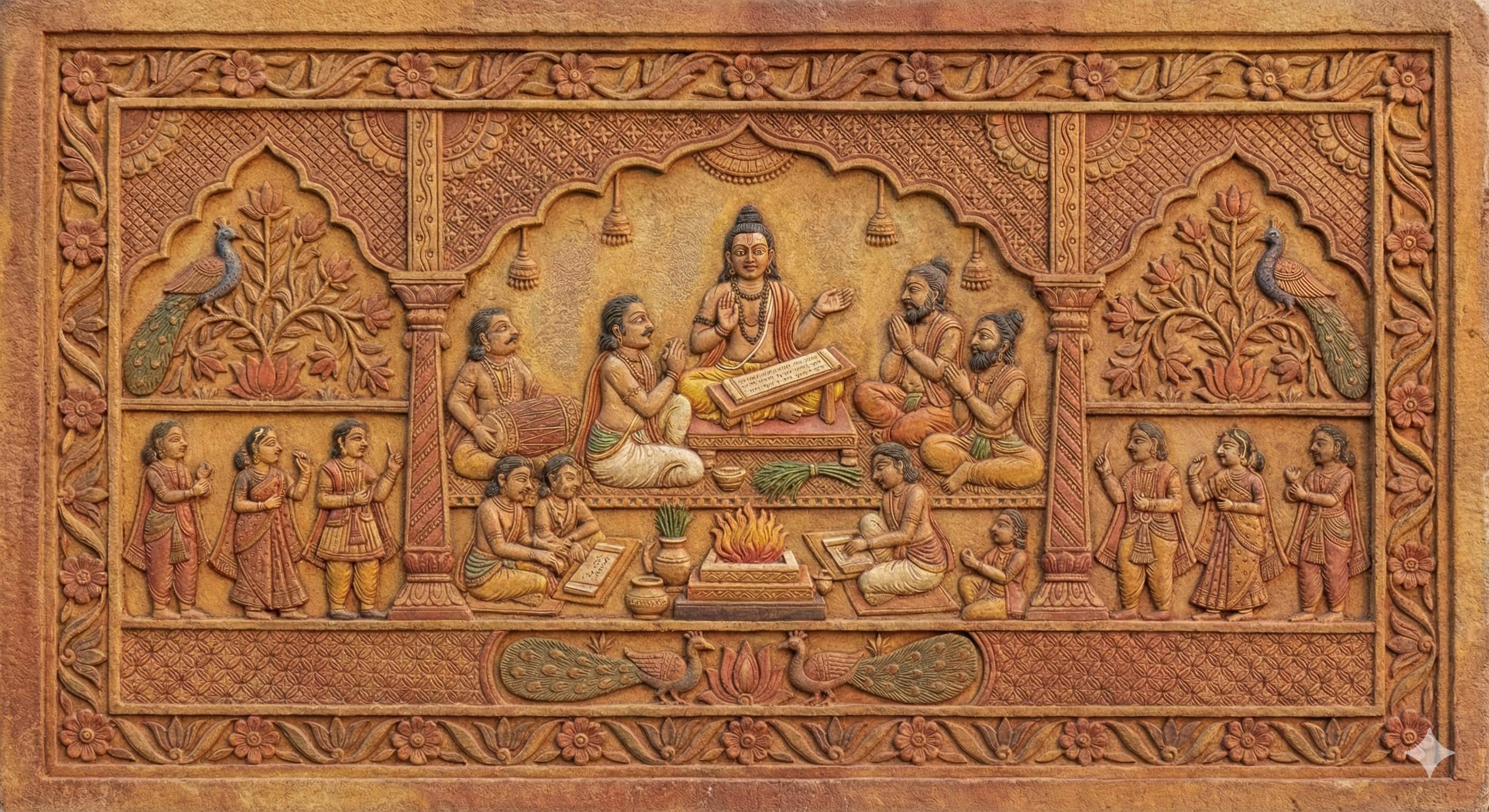
Vedic Chanting
The traditional way of reciting the Vedas, preserved orally for millennia with precise intonation.
View Art →
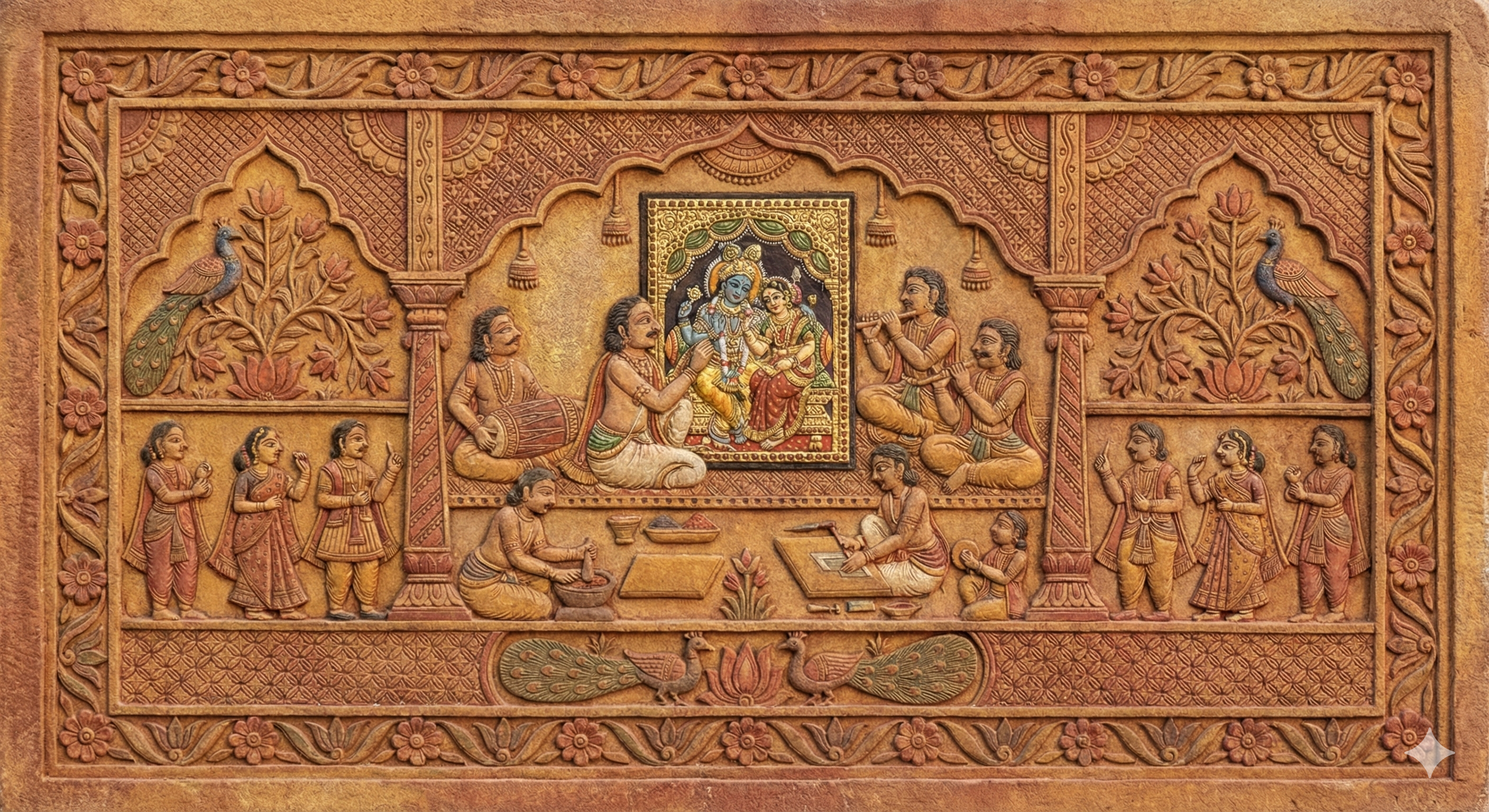
Indian Sculpture
The art of creating three-dimensional figures, famous for intricate temple carvings and bronze idols.
View Art →
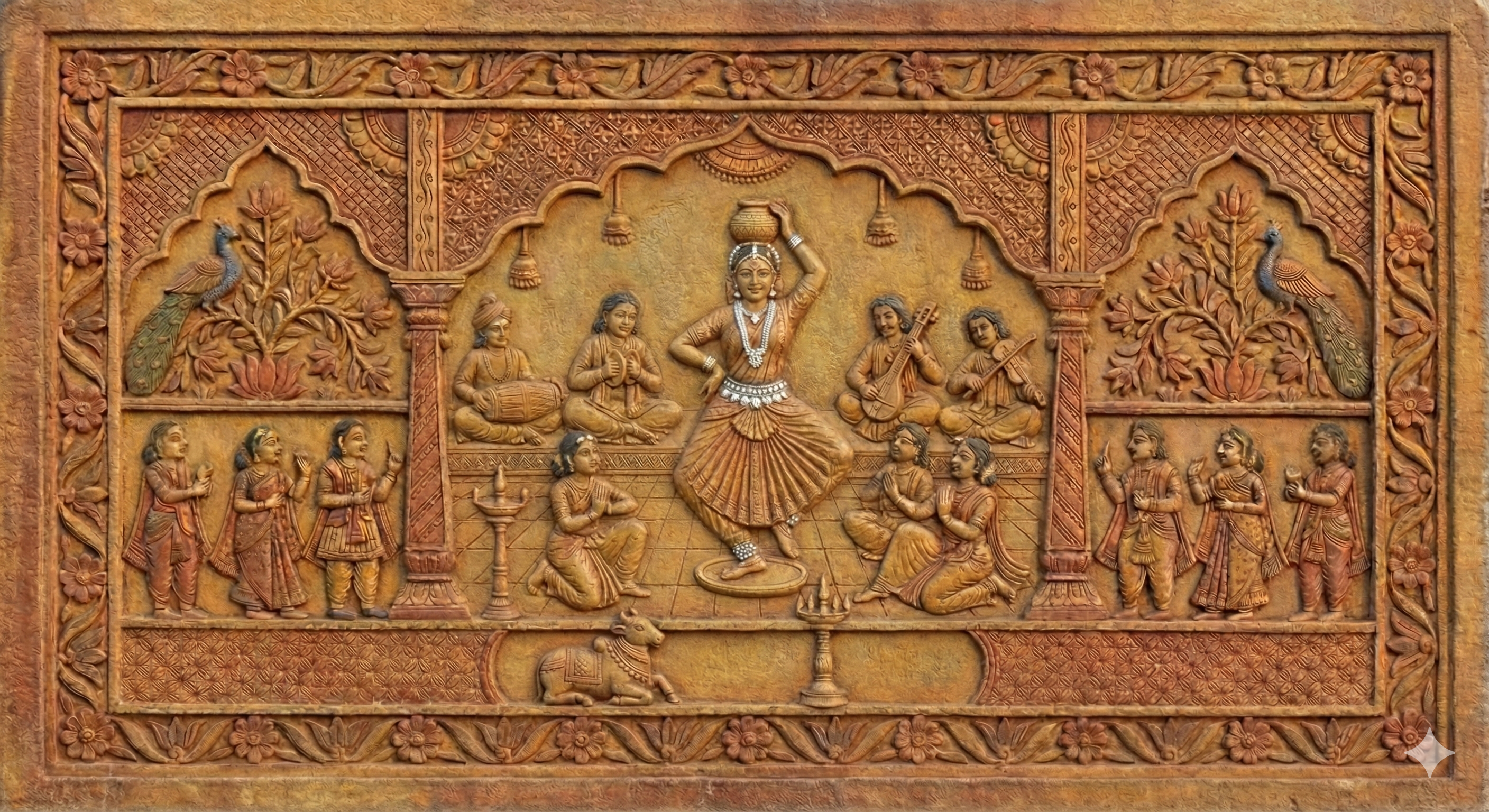
Kuchipudi
A classical dance form from Andhra Pradesh, known for its graceful movements and dramatic storytelling.
View Art →
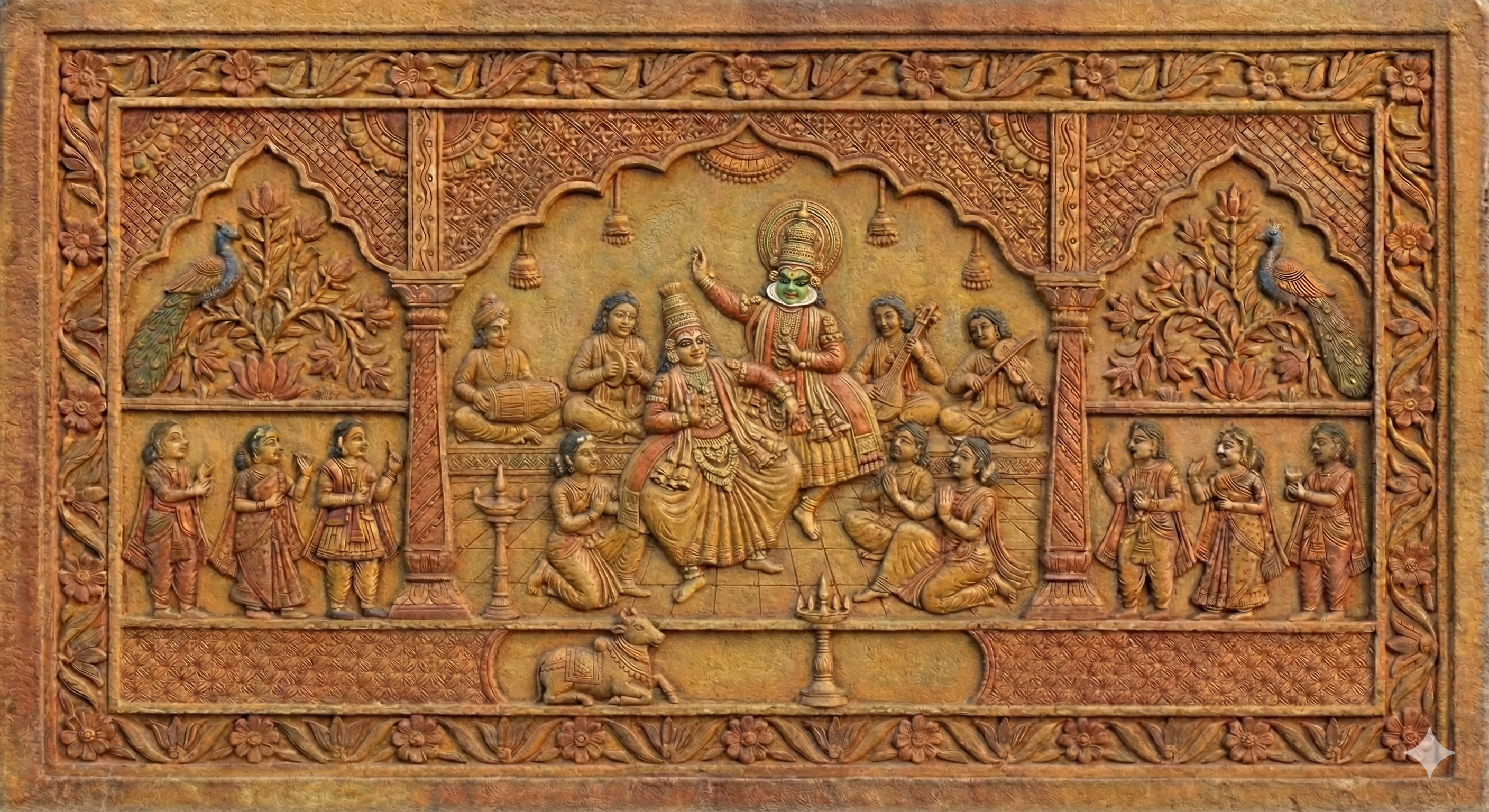
Kathakali
A stylized classical Indian dance-drama from Kerala, noted for its elaborate make-up and costumes.
View Art →
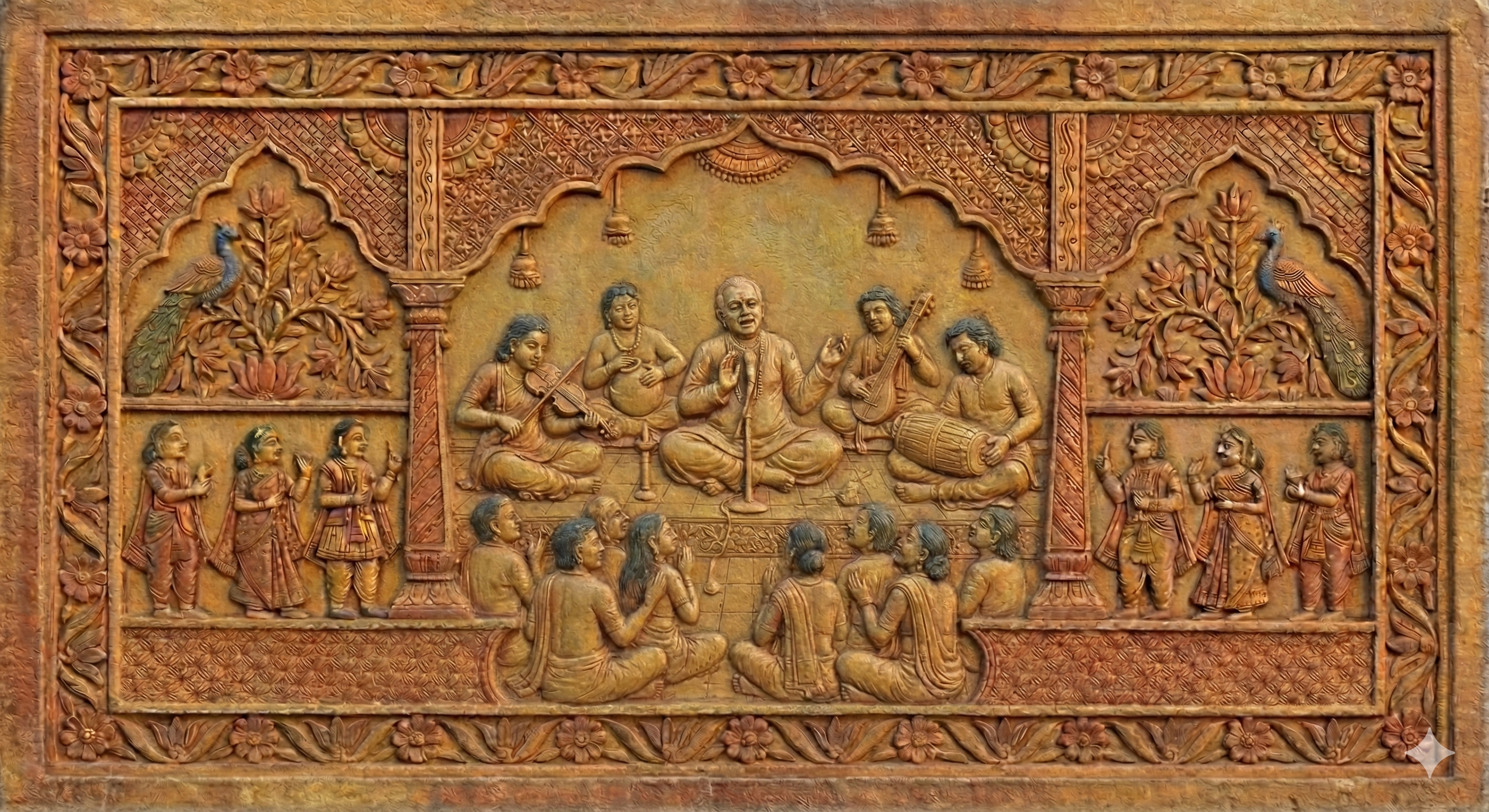
Carnatic Music
A system of music commonly associated with South India, emphasizing vocal performance and complex rhythmic structures.
View Art →
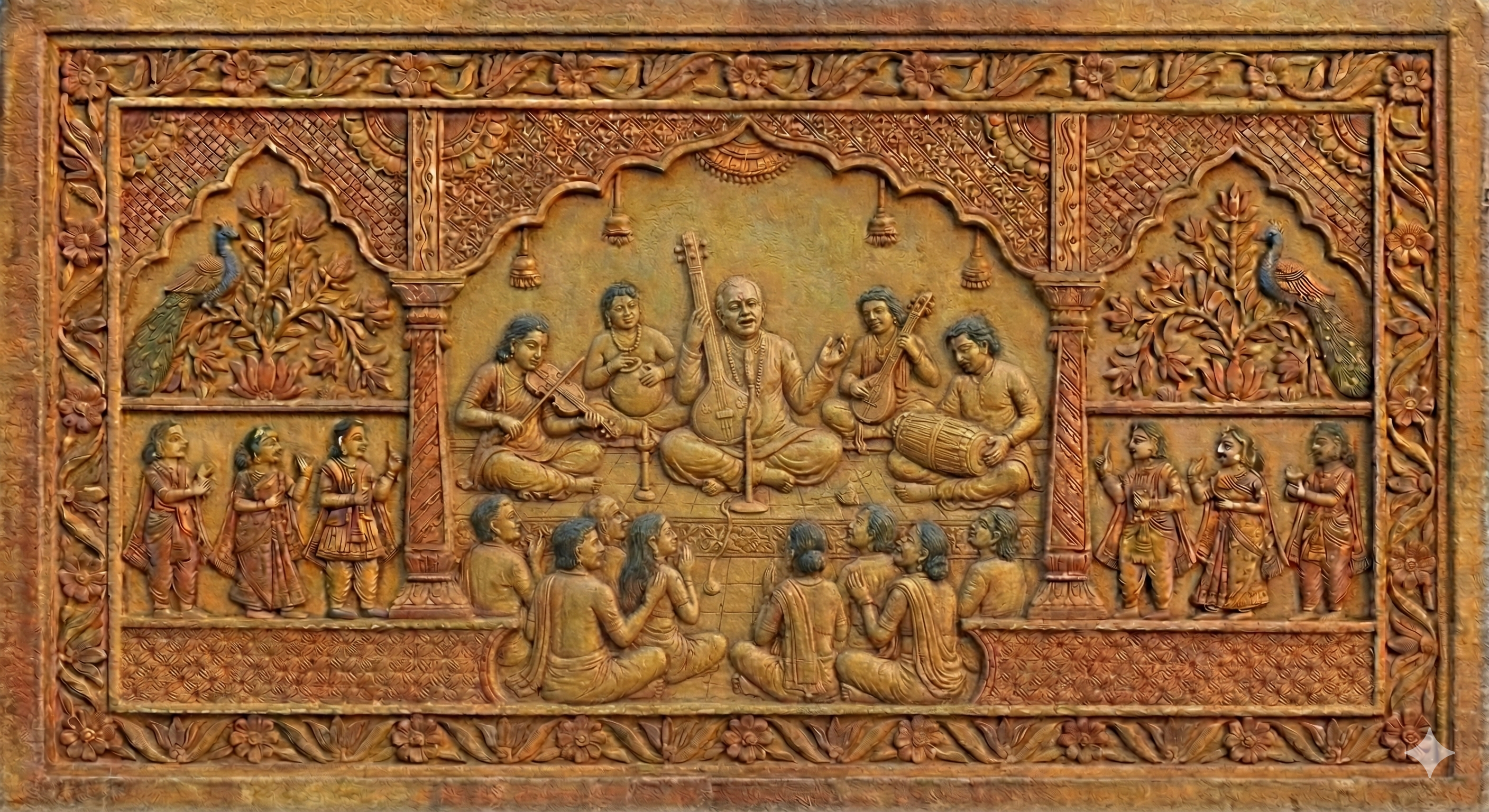
Hindustani Music
The traditional classical music of North India, focusing on improvisation and exploring Ragas.
View Art →